Guide
How to Handle a Dinner Rush: Getting Through Peak Hours Without Keeping Guests Waiting
The Mihman AI team6 min read
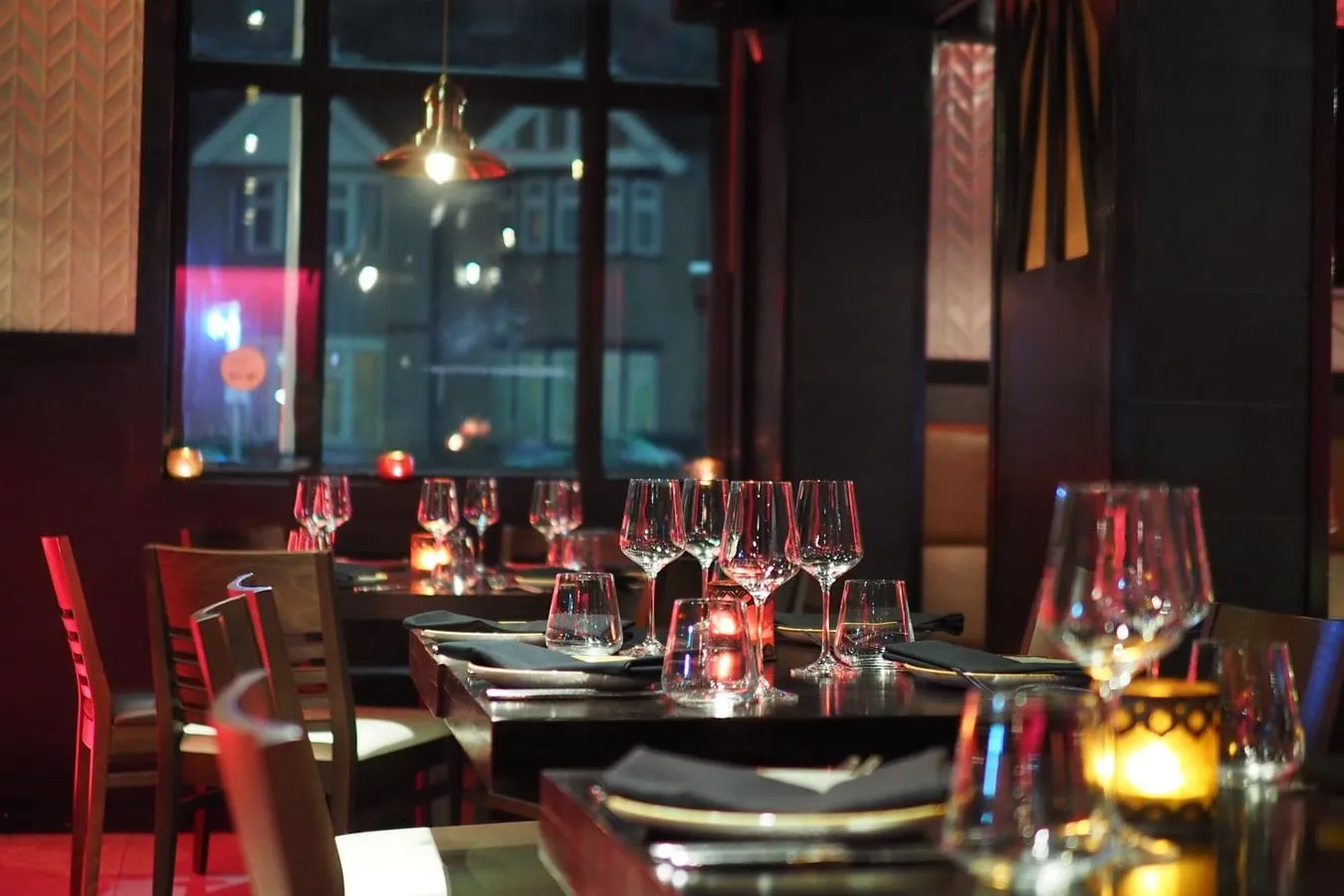
In most restaurants, the dinner rush arrives all at once. Half an hour earlier the room is quiet; then a queue forms at the door, every table fills, and orders pour into the kitchen at the same time. Getting through it without keeping guests waiting usually depends less on what you do in the moment and more on what you prepared beforehand.
In this post we look at practical steps you can take in the dining room before, during and after the rush.
Why does the rush arrive all at once?
- Guests come at the same times. Dinner time, the end of the working day, the end of a match or a show.
- Reservations pile up at the same hour. Everyone wants the most popular time slot.
- One delay snowballs. A table greeted late orders late, a table that gets its order late leaves late, and because of the table that leaves late, guests wait at the door.
- The dining room and kitchen are hit together. The moment the room fills up, the kitchen reaches its busiest point too.
Before the rush: preparation
Estimate the evening in advance
Look at the reservation book, the same day last week and what’s happening nearby: a match, a concert, a conference, how full your hotel is. You don’t need an exact number; roughly knowing when the room will fill and how many people you’ll need is enough.
Hold a short pre-shift meeting
A few minutes’ talk before service answers many of the questions that would otherwise come up at peak time:
- What’s tonight’s section plan? Which table is in whose section?
- Who looks after clearing, and who is on the door?
- In what order are breaks taken, and who covers the tables of whoever is on a break?
- Is anything on the menu sold out or running low?
- Which reservations have special requests?
To divide your dining room into sections, read our post on how to plan server sections.
Set the room up for the rush
Keep service stations stocked: napkins, cutlery, glasses, spare tablecloths. Have the card machine charged and the bill folders, the floor plan or reservation list at the door ready. Every trip to the storeroom or the kitchen at peak time means another table waiting in the dining room.
During the rush
Seat guests in a steady flow, not in waves
With a queue at the door, it’s tempting to fill every free table at once. But if every table sits down at the same time, every table waits at the same time to be greeted, to order and to get its food. Seating guests a few minutes apart gives servers and the kitchen room to breathe, so each table gets greeted faster.
Give guests at the door an honest wait time
An optimistic guess makes the wait feel longer. Give a realistic time, and offer somewhere to sit, a drink or a look at the menu while they wait. When a table is ready, seat guests in order.
Newly seated tables come first
At peak time, the moment most easily missed is the first greeting of a newly seated table. Guests don’t want anything yet, so they don’t stand out. This is where the rule “whoever sees a newly seated table stops by” helps most: even a glass of water and “we’ll be right with you” shortens the wait.
Keep roles flexible, but say it out loud
During a rush, everyone helps each other: the busser at the door, the host clearing tables, a server in the next section. That’s good, as long as every change is said out loud. Silent help can turn into “someone must have it” and tables that nobody is looking after.
Speak the same language as the kitchen
If a table’s food is going to be late, tell the table. Guests put up with a wait more easily when they know why. A server getting a quick update from the kitchen and passing it on stops the table from having to keep raising a hand.
Don’t keep the bill waiting
At peak time, the bill is what opens up the queue at the door. If the table that asked for the bill pays quickly, the table frees up, gets cleared and the guests at the door sit down. For getting a vacated table ready fast, see our post on clearing and resetting restaurant tables.
After the rush: a short review
At the end of the night, take a few minutes and talk through three questions with the team:
- Where did the evening get stuck: at the door, at greeting, in the kitchen, at the bill?
- Which tables waited a long time, and why?
- If we changed just one thing for the next busy night, what would it be?
Talk about the routine here, not about people. “Who was late?” puts the team on the defensive; “where did we get stuck?” leads to solutions.
Common mistakes
- Leaving preparation to the rush. An empty service station, a card machine with a flat battery, missing cutlery; all of it gets noticed at peak time.
- Filling every table at once. The queue at the door gets shorter, but waiting grows in the dining room and the kitchen.
- Not announcing role changes. While everyone is helping, some tables end up with nobody.
- Closing the night without talking about it. The same bottleneck happens again on the next busy night.
Where can technology help?
Good preparation and clear roles carry most of the rush; but when the room is full, spotting the moment a table starts waiting can still be hard.
We’re building Mihman AI for exactly this need, together with our first restaurants. Our aim is to use your existing cameras to understand which tables are waiting to be greeted, to order or for the bill, and which are ready to clear, and to let the right person know. We also plan to give you a summary of the dining room at the end of the night, such as the busiest hours and how long it took for tables to be ready again, so the review is based on what actually happened in the room rather than on guesswork.
Mihman looks at tables, not people. It doesn’t measure how fast servers work, and there is no individual tracking or staff scoring. Video is processed on a device in the restaurant; it isn’t recorded, and it isn’t sent to the cloud or abroad.
In short
A rush is managed before it starts: estimate the evening, set out roles before service and stock your stations. During the rush, seat guests in a steady flow, put newly seated tables and the bill first, and say role changes out loud. And at the end of the night, talk about the routine, not the people.
We look at where waiting builds up in the dining room in our post on why restaurant guests wait, and describe our approach for busy dining rooms on our busy restaurants page. To see how Mihman would work in your dining room, we can set up a free demo.
Frequently asked questions
How do you manage a restaurant rush?
A rush is managed before it starts. Estimate the evening in advance, say who covers what in a short pre-shift meeting, and stock your service stations. During the rush, seat guests in a steady flow, make newly seated tables a priority and don’t keep the bill waiting. At the end of the night, spend a few minutes talking about where things got stuck.
Why is it a problem to seat everyone at once during a rush?
When every free table fills at the same time, every table waits at the same time to be greeted, to order and to get its food. Servers and the kitchen are hit all at once, and delays snowball. Seating guests a few minutes apart gives both the dining room and the kitchen room to breathe.
What should you tell guests waiting at the door?
Give an honest wait time; an optimistic guess makes the wait feel longer. Offer somewhere to sit, a drink or a look at the menu while they wait. When a table is ready, seat guests in the order they arrived.