Guide
Clearing and Resetting Restaurant Tables: Getting a Free Table to the Guests at the Door, Faster
The Mihman AI team5 min read
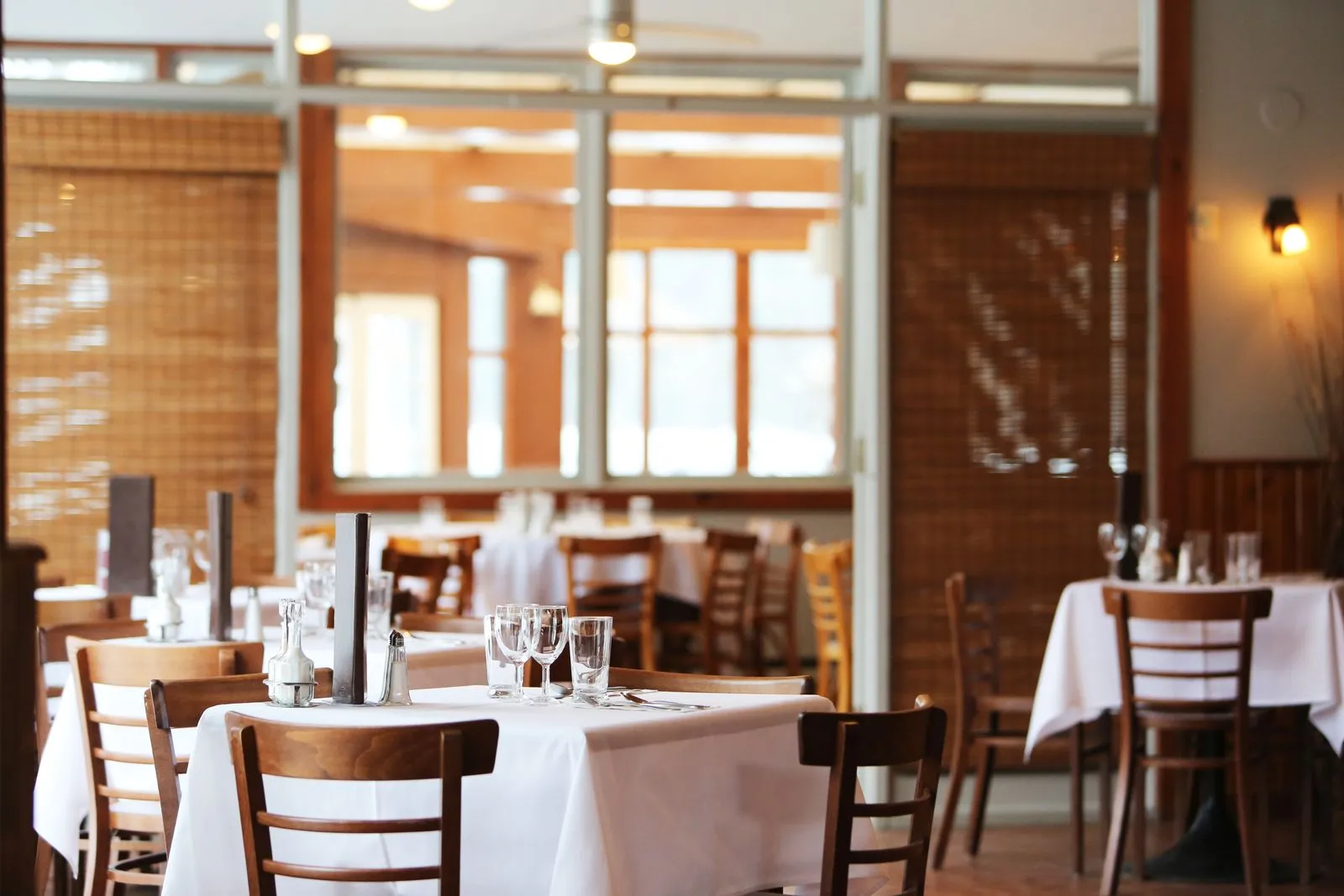
On a busy night, guests can be waiting at the door while a free table sits in the dining room. The table is empty but not cleared; plates, napkins and half-empty glasses are still on it. For the guests at the door, that table doesn’t exist.
In this post we look at why a vacated table takes time to get ready, the steps a table goes through before it’s ready again, and a practical clearing routine you can use on busy nights.
Why does a free table take so long to reset?
A table left uncleared is rarely down to carelessness. On a busy night, a few small things pile up:
- Nobody sees that the table has been vacated. The guests get up while the server is taking an order at another table.
- It isn’t clear who clears. The busser thinks “the server will clear it”, the server thinks “the busser will”.
- The door can’t see the room. To find out which table is free, the host has to walk the floor or ask someone.
- Supplies are far away. Clean linen, napkins and cutlery are in a cupboard by the kitchen; every table means another trip there and back.
Table turnover is a chain
A table getting ready for new guests isn’t one task but a few steps in a row:
- The bill is paid.
- The guests get up.
- The table is cleared. Plates, glasses and napkins are taken away.
- The table is reset. It’s wiped, the tablecloth is changed, cutlery and glasses are laid.
- The door is told. The host learns the table is ready and seats the next guests.
Waiting can build up between any of these steps. In most dining rooms, the longest gaps are between the guests getting up and clearing starting, and between the table being ready and the door finding out. In neither case is the work being done slowly; it’s just that nobody noticed the moment.
A practical clearing routine for busy nights
Make it clear who clears
At the start of the shift, say who will look after clearing. At busy times this is often the busser; if there is no busser, each server clears the tables in their own section. If you’ve divided the room into sections, tying clearing to the same sections makes things easier.
Alongside this, set a simple rule: anyone who sees a vacated table lets the person who clears know.
Start preparing once the bill is paid
Don’t start clearing while guests are still seated; it makes them feel rushed. But once the bill is paid, you can bring the reset close to the table: a clean tablecloth, cutlery, glasses. When the guests get up, the table is set again without a long trip back and forth.
Keep the service station inside the dining room
Keep linen, napkins, cutlery and glasses in a station inside the dining room, close to the tables. Putting aside a few tables’ worth of settings as ready-made sets before busy nights saves gathering them one by one for every table.
Clear in the order of the queue at the door
If several tables free up at once, reset the one that suits the guests at the door first. If a family of four is waiting, getting to the four-top before the two-top shortens the wait. All it takes is a word between the host and the person clearing.
Tell the door the table is ready, one way only
When a table is ready, the door should know straight away. It can be a hand signal, a quick word or a mark on the floor plan at the host stand; what matters is that everyone uses the same way. That way the host doesn’t have to walk the room looking for a free table.
Do one last check
Before resetting the table, take a look at the chairs, under the table and around its edges. A forgotten item or a dropped napkin affects the next guests’ first impression.
Common mistakes
- Clearing before the guests get up. The table frees up sooner, but the guests feel they’re being shown the door.
- Leaving the table half done. A table that’s cleared but not set looks ready from the door; once the guests are seated, someone goes looking for cutlery.
- Everyone rushing to the same table. If it isn’t clear who clears, two people head for the same table while another one keeps waiting.
- Forgetting to tell the door. The table is ready, but because the door doesn’t know, the guests still wait.
Where can technology help?
A good clearing routine makes it clear who does what; but on a busy night, spotting the moment a table is vacated can still be hard.
We’re building Mihman AI for exactly this need, together with our first restaurants. Our aim is to use your existing cameras to understand that a table has been vacated, mark it as “ready to clear” and let the person who clears know. Once the table is reset, we aim to show “table ready” at the door as well, so the host can see which table has opened up without walking the room.
Mihman looks at tables, not people. It doesn’t measure how fast bussers or servers work, and there is no individual tracking or staff scoring. Video is processed on a device in the restaurant; it isn’t recorded, and it isn’t sent to the cloud or abroad.
In short
When a vacated table takes long to get ready, the reason is usually not slowness but that nobody is clear on when the table was vacated or who clears it. Saying who clears at the start of the shift, starting to prepare once the bill is paid, keeping supplies inside the dining room and telling the door the table is ready in one agreed way are the simplest ways to shorten the wait at the door.
To divide your dining room into sections, read our post on how to plan server sections; for peak hours, take a look at our busy restaurants page. To see how Mihman would work in your dining room, we can set up a free demo.
Frequently asked questions
Why does a free table take so long to reset?
Most of the time nobody notices in time that the table has been vacated, or it isn’t clear whose job clearing it is. The busser is busy with something else, the server is rushing to a new order, and the host at the door can’t see that corner of the room. Clean linen and cutlery being far away also slows things down.
Who should clear the tables?
At busy times the simplest approach is to have one person responsible for clearing; this is usually the busser. If there is no busser, the server for that section clears the table. What matters is that this is made clear at the start of every shift and that anyone who sees a vacated table lets that person know.
Is it okay to start clearing before the guests get up?
No. Clearing the table while guests are still seated makes them feel rushed. Once the bill is paid, what you can do is bring the reset to the table’s side: a clean tablecloth, cutlery, glasses. When the guests get up, the table is set again in a few moves.