Guide
Why Do Restaurant Guests Wait? Practical Ways to Cut Waiting in the Dining Room
The Mihman AI team4 min read
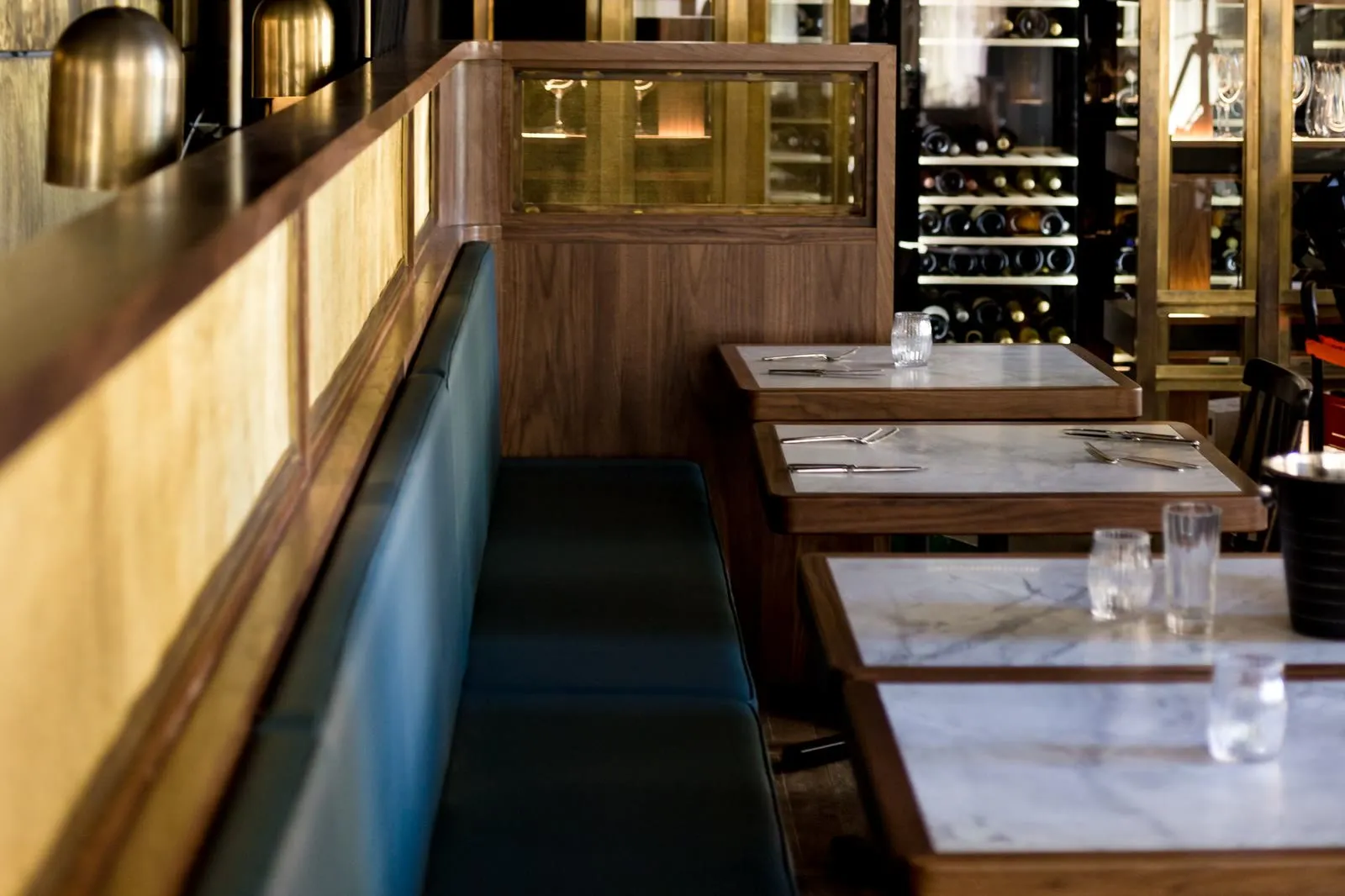
When guests leave a restaurant unhappy, the reason often isn’t the food. They sat down and nobody came, they tried to catch a server’s eye, they asked for the bill and it never arrived… Waiting usually starts in the dining room, not in the kitchen.
In this post we look at where waiting begins in the dining room, why it goes unnoticed, and what you can do about it today, without installing any new system.
Where does waiting happen in the dining room?
Over the course of an evening, there are four moments when a table waits the most:
- The first greeting after sitting down. A menu, water, a “welcome”. Guests don’t need anything yet, but they want to know someone has seen them.
- Ordering, and ordering more. A table that has closed its menus and is looking around is ready to order. The same goes for a second drink, dessert or coffee.
- The bill. The quietest wait of the evening. Guests have finished and want to leave, but they stay seated because the bill hasn’t come.
- Clearing a table that has just been vacated. This wait isn’t felt at the table, but at the door. The table is free, but no one can sit there until it’s cleared.
Why does this waiting go unnoticed?
On a busy night, your team is already on the move. The problem is rarely a lack of care; it’s a lack of visibility:
- Each server looks after their own section; a table on the border between two sections can fall between them.
- The “someone must have handled it” assumption. If there’s water on the table, it’s easy to assume the order has been taken too.
- A table waiting for the bill doesn’t raise a hand; it just waits.
- Nobody is keeping time. How long a table has been waiting stays unknown until a guest complains.
In other words, waiting can build up without anyone doing anything wrong. That’s why the answer isn’t to blame someone, but to set up the dining room so it works.
Things you can put in place today
None of these needs a new system; just a small agreement within your team.
Make sure every table has an owner
Make your section plan clear and, at the start of each shift, say out loud who is looking after which tables. If sections change at peak hours, say that out loud too. Tables on the border are the ones that wait the longest.
A “whoever sees it” rule for the first greeting
Whoever spots a newly seated table should stop by, even if it isn’t theirs: leave menus and water, then let the table’s server know. Guests can order a little later; what matters is that they know they’ve been seen.
A fast route for the bill
Agree on who takes the bill when it’s asked for. Keeping the bill folder, card terminal and receipt ready in one place shortens the quietest wait of the evening.
Link clearing to the queue at the door
If guests are waiting at the door, whoever is greeting them should tell the busser about a freed-up table straight away. Every table that empties is where someone at the door will sit.
A short talk before the rush
A few minutes before evening service is enough: reservations, large tables, section changes, who will be on break. Once the rush starts, there’s no time to talk these through.
Once a week, talk about the moment that slips the most
Where does waiting happen most: at the first greeting, at the bill, or at clearing? Talk it over with your team. The goal isn’t to find out who was late, but to see where the routine breaks down.
Where can technology help?
All of the tips above rely on one thing: noticing in time that a table is waiting. On a busy night, that isn’t always possible.
That’s exactly the need we’re building Mihman AI for, together with our first restaurants. Our aim is to use your existing cameras to understand which table is waiting to be greeted, to order or to pay, and which table is ready to be cleared, and to let the right person know.
Mihman looks at tables, not people. Footage is processed on the device in the restaurant; it isn’t recorded, and it isn’t sent to the cloud or abroad. There’s no facial recognition, no staff scores and no tracking of individuals. Rather than guess how much waiting would drop in your dining room, we’ll measure it with you during the pilot.
Technology doesn’t replace the routine above; it makes it easier. When every table has an owner, a notification that reaches the right person is far more useful.
In short
What keeps guests waiting is usually not the food, but a table nobody noticed. Making ownership clear, speeding up the first greeting and the bill, and linking clearing to the queue at the door are steps you can start on today.
If you’re curious how your dining room could look at peak hours, take a look at our busy restaurants page, or we can set up a free demo to show you how Mihman would work in your dining room.
Frequently asked questions
Where do restaurant guests wait the most?
Usually in the dining room, not the kitchen: at the first greeting after sitting down, when ordering or ordering more, when asking for the bill, and at the door because a vacated table hasn’t been cleared. These four moments shape how guests remember the evening.
How can you shorten the wait for the bill?
Decide in advance who takes the bill when it’s asked for. Keep the bill folder, card terminal and receipt ready in one place. A table waiting for the bill doesn’t raise a hand, so it also helps to glance regularly at tables that have finished eating.
Do you need a new system to stop guests waiting?
No. Giving every table an owner, adding a “whoever sees it stops by” rule for newly seated tables and linking clearing to the queue at the door are steps you can start on today. Technology doesn’t replace that routine; it makes it easier to notice a waiting table in time on busy nights.