Guide
Hotel Breakfast Room Management: How to Keep Guests From Waiting on Busy Mornings
The Mihman AI team5 min read
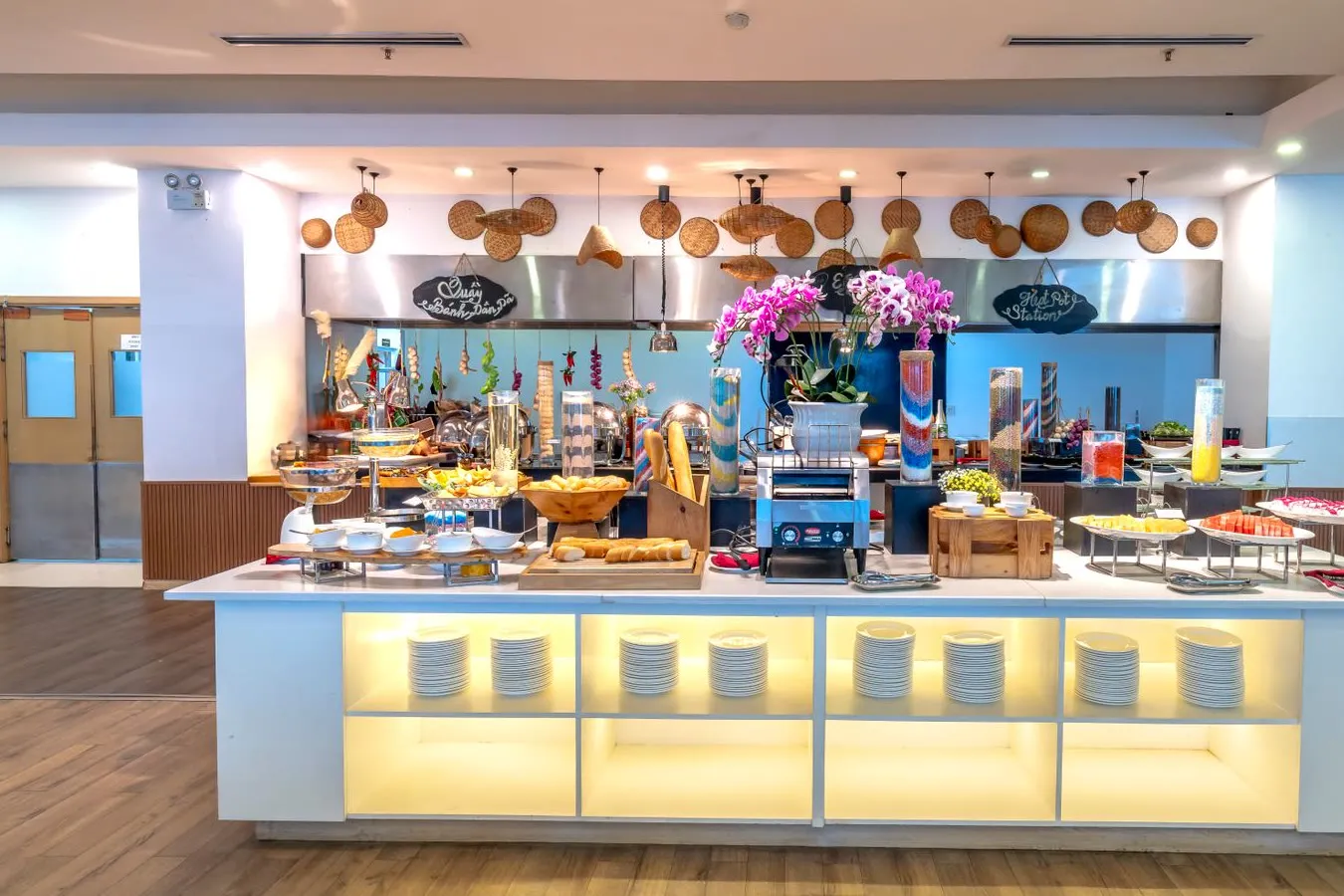
Hotel breakfast is a service squeezed into a few hours, with a large share of guests arriving at the same time. A buffet has no ordering step, but that doesn’t mean guests don’t wait. An uncleared table, tea that never comes or an empty buffet dish is what guests remember as they start their day.
In this post we look at where waiting builds up in the breakfast room, why breakfast is a hard service to run, and a practical routine you can use on busy mornings.
Where do guests wait in the breakfast room?
- At the entrance, for a free table. There’s space in the room, but the tables haven’t been cleared. Guests wait at the door or walk around with a plate looking for a seat.
- At the table, for a hot drink. If tea and coffee are served at the table, the first visit to a newly seated table can be delayed.
- At the buffet, for something that has run out. An empty dish, a hot item that has run out, or no clean plates left.
- At the à la carte or egg station. If anything is cooked to order, a short queue can form here too.
Why is breakfast a hard service to run?
Unlike dinner, breakfast has its own challenges:
- Demand comes in waves. A group comes down all at once, everyone eats at the same time before a meeting starts, guests checking out arrive early.
- Tables turn over often. Guests usually sit for a short time; the same table can empty and fill several times in one morning.
- The team is small. On the morning shift, the same people look after clearing, hot drinks and the buffet.
- Guests speak different languages. Understanding a request and answering it can take time.
A practical routine for busy mornings
Know how busy it will be a day ahead
Have a short talk with the front desk the evening before or early in the morning: hotel occupancy, group breakfast times, early check-outs, meetings starting in the morning. Knowing when the room will fill up is the first step to putting the team in the right place.
Give clearing its own person at peak time
At breakfast, what keeps guests waiting most is often an uncleared table. Having one person do nothing but clear tables at peak time speeds up how quickly the room empties and fills. Keep the clearing trolley or tray station near the middle of the room, with clean linen and cutlery close at hand.
Have someone at the entrance
Someone at the entrance who greets guests and shows them to a free table cuts down the crowding at the door. If room numbers are checked here as well, consider separating that task from seating guests at peak time.
The first visit to a newly seated table
If hot drinks are served at the table, make it clear who makes the first visit to a newly seated table. Dividing the room into sections helps here too; the steps in our post on planning server sections work just as well in a breakfast room.
Make the buffet a separate responsibility
Don’t leave the buffet to “whoever sees it”. Name one person who regularly checks for items that have run out and for clean plates running low, and have that person talk to the kitchen.
A short review after breakfast
A few minutes after service is enough: where did guests wait most today? At the entrance, for clearing, at the buffet? The goal isn’t to find out who was late, but to improve the routine for the next morning.
Where can technology help?
Since a buffet has no ordering step, what matters most at breakfast is tables emptying and being cleared. On a busy morning, it isn’t easy to see from every corner of the room which tables have just emptied and which are still waiting to be cleared.
We’re building Mihman AI for exactly this need, together with our first restaurants. Our aim is to use your existing cameras to understand which tables have just been sat at, which have emptied and which are ready to be cleared, and to let the right person know: the table to clear goes to whoever is clearing, the newly seated table goes to the service team. Rather than guess how much difference this would make in your breakfast room, we’ll measure it with you during the pilot.
Mihman looks at tables, not people. Footage is processed on the device in your hotel; it isn’t recorded, and it isn’t sent to the cloud or abroad. There’s no facial recognition, no staff scores and no tracking of individuals. Mihman doesn’t replace your property management system or POS; it works alongside them.
In short
What keeps hotel breakfast guests waiting is usually not the food, but an uncleared table or a late first visit. Knowing how busy it will be a day ahead, giving clearing its own person at peak time, giving the entrance and the buffet a clear owner and holding a short review after each morning are steps you can start on today.
We describe our approach for hotels in more detail on our hotel restaurants page. We can also set up a free demo to show you how Mihman would work in your breakfast room.
Frequently asked questions
What keeps hotel breakfast guests waiting the most?
At a buffet, it’s usually a table rather than the food. When vacated tables aren’t cleared, new guests wait at the entrance or wander with a plate in hand looking for a seat. Hot drinks that don’t arrive and empty buffet dishes come next.
How can you clear tables faster at a breakfast buffet?
The most effective step is to have one person do nothing but clear tables at peak time. Keep the clearing trolley or tray station near the middle of the room and have fresh linen and cutlery ready in advance. It also helps if anyone who spots a vacated table lets the person clearing know.
How can you predict how busy breakfast will be?
A short talk with the front desk the evening before or early in the morning is enough: hotel occupancy, group breakfast and check-out times, and meetings starting in the morning. With that, you can plan when the room will fill up and where the team should focus.